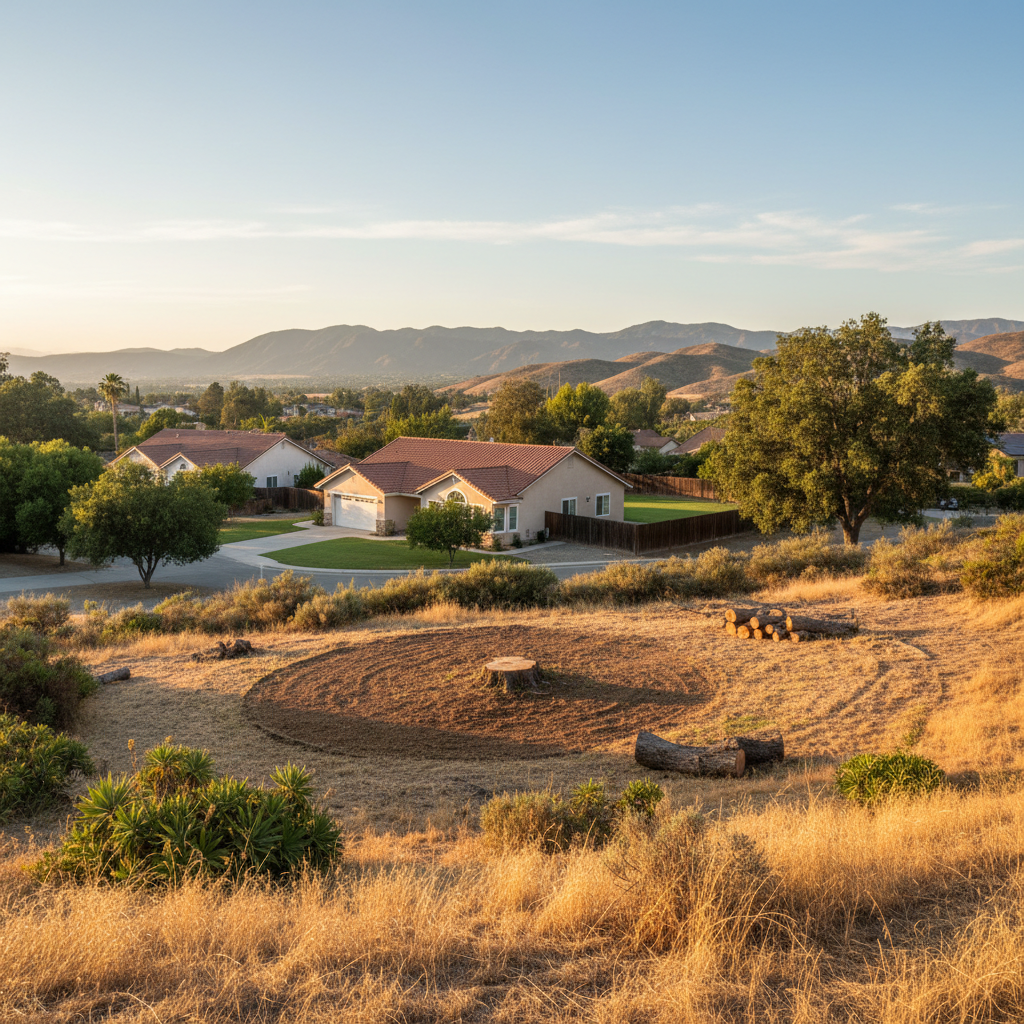
When's the best time to get that big tree removed? It's a question I get a lot, and honestly, there's no single perfect answer that works for every situation. But here in Camarillo, our unique climate definitely plays a role in when it makes the most sense to schedule tree removal, what conditions can affect the work, and how you can protect your property year-round, even after a tree's gone.
Scheduling Your Tree Removal: What to Consider
Most folks think of tree removal as an emergency service, and sometimes it is. A storm-damaged tree leaning precariously over your house? Yeah, that's a call you make right away. But for planned removals – maybe a tree's just gotten too big for its spot, it's sick, or you're doing some landscaping – timing can make a difference.
Generally, the dormant season, which for us means late fall through early spring, is often ideal. Why? A few reasons:
- The tree has no leaves. This makes the job safer and cleaner. Less foliage means less debris to haul away, and it's easier for my crew to see the tree's structure and plan cuts more precisely.
- Less stress on your yard. When the ground is drier, our equipment leaves less of an impact. During our wettest winter months, especially after a good rain cycle, the soil in some of our older Camarillo neighborhoods, like those with heavier clay, can get really saturated. That means our machinery can do more damage to your lawn or landscaping. We always use ground protection mats, but drier soil is always better.
- Access. With fewer plants in bloom and less active growth in your garden, it's often easier for us to get equipment in and out without disturbing your prize-winning roses.
That said, we remove trees year-round. If a tree is a hazard, it needs to come down, no matter the season. But if you have the luxury of planning, the cooler, drier months are often the most straightforward.
Camarillo Weather & Tree Removal Work
Our weather here is usually pretty mild, but we do get our extremes, and they absolutely impact tree removal operations. Here's what you need to know:
- Wind: This is a big one. High winds are a no-go for safe tree removal, especially for large trees. It's incredibly dangerous for my crew and increases the risk of unpredictable falls. If we've got a Santa Ana wind event blowing through, we're rescheduling. Period. Safety comes first, always.
- Rain: Light rain isn't usually an issue, but heavy downpours can make things tricky. Wet wood is slippery, and working on wet, muddy ground can be hazardous. Plus, as I mentioned, saturated soil can lead to more damage to your property from our equipment. We might work through a drizzle, but a real storm will halt operations.
- Heat: Our summers can get scorching. While we'll work in the heat, it means more breaks for the crew, more hydration, and sometimes a slower pace to ensure everyone's safety. It's not a deal-breaker, but it's a factor.
When you schedule with Oasis Tree, we're constantly monitoring the forecast. If we see conditions that aren't safe or could cause unnecessary damage to your property, we'll be in touch to reschedule. We'd rather delay a day or two than risk an accident or leave your yard a mess.
Protecting Your Investment Year-Round
Once a tree is down, the job isn't always completely finished. You've made an investment in your property's safety and aesthetics, and you want to protect that.
- Stump Grinding: Don't leave that stump. It's an eyesore, a tripping hazard, and can attract pests like termites. Grinding it down below grade means you can plant grass, new shrubs, or even another tree in its place.
- Soil Remediation: After a large tree is removed, especially one that's been there for decades, the soil can be depleted of nutrients. Consider adding compost or other soil amendments to prepare the area for new planting.
- Drainage: Large trees soak up a lot of water. Once they're gone, you might notice changes in how water drains in that area, especially if it was a thirsty species. Keep an eye on it, particularly during our rainy season, and address any new pooling or runoff issues.
- New Plantings: If you're replacing the tree, choose wisely. Consider the mature size of the new tree, its water needs, and how it will fit into your landscape. We're happy to offer advice on species that thrive in our local conditions.
Tree removal is a big job, and getting it right means thinking beyond just the cut. By understanding the best timing, how weather plays a part, and what to do afterward, you're not just getting rid of a tree; you're making a smart choice for your Camarillo home and landscape.