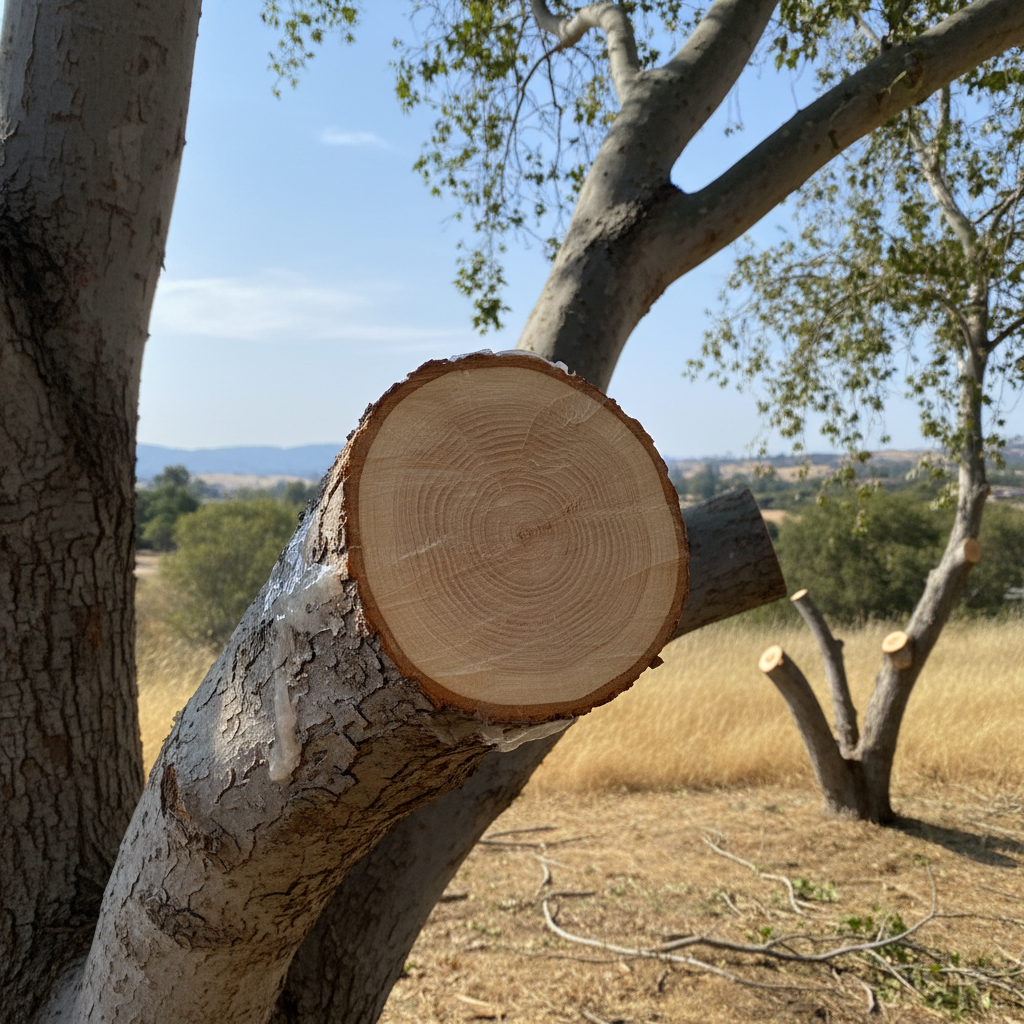
When's the best time to prune my trees in Camarillo?
This is probably the most common question I get, and honestly, it's not a one-size-fits-all answer. For most deciduous trees — those that lose their leaves in winter, like sycamores or liquidambars — the dormant season is usually ideal. That's typically late fall through early spring, when they're not actively growing. Without leaves, it's easier to see the tree's structure and identify dead, diseased, or crossing branches. Plus, the tree is less stressed by the pruning cuts.
Evergreen trees, like many of the oaks we see around Camarillo, are a bit different. You can often prune them any time of year for light maintenance, but if you're doing heavier structural pruning, it's still best to avoid the hottest parts of summer or when they're putting on a big flush of new growth. For fruit trees, it's a whole separate conversation, usually involving winter dormant pruning for structure and summer pruning for fruit production and size control. The main thing to avoid is pruning too heavily during extreme heat or drought, as that can really stress the tree out.
How much should I prune off at once?
This is where a lot of folks get into trouble trying to DIY. A general rule of thumb is to never remove more than 25% of a tree's live canopy in a single pruning session. Some trees, especially younger ones, might tolerate a bit more, but going over that 25% mark can put significant stress on the tree. It can trigger excessive suckering, reduce the tree's energy reserves, and make it more susceptible to pests and diseases. Think of it like a major surgery for the tree; you don't want to overdo it.
If a tree needs a lot of work, it's often better to spread it out over two or three years rather than trying to fix everything at once. This allows the tree to recover and adapt to the changes gradually. We always aim for a balanced approach at Oasis Tree, making sure the tree stays healthy and strong for years to come.
What's the difference between 'topping' and proper pruning?
Oh, boy, this is a big one. Topping is probably the worst thing you can do to a tree, and unfortunately, I still see it happening. Topping is when you cut off large branches or the main trunk to stubs, often leaving ugly, vertical shoots that look like witches' brooms. People usually do it to reduce a tree's height quickly, but it's incredibly damaging.
When you top a tree, you're creating huge wounds that are hard for the tree to heal, making it vulnerable to decay, insects, and diseases. The new growth that sprouts after topping is weak and poorly attached, making the tree more dangerous in high winds. Proper pruning, on the other hand, involves making cuts at specific points (like branch collars) to encourage healthy growth, improve structure, remove dead or diseased wood, and maintain the tree's natural shape. It's about working with the tree, not against it.
Do I really need to prune young trees?
Absolutely, yes! Pruning young trees is one of the most important things you can do for their long-term health and safety. It's called 'structural pruning' or 'formative pruning.' When a tree is young, you can correct problems like co-dominant leaders (two main stems competing for dominance), narrow branch angles, or crossing branches with small cuts. These small cuts heal quickly and prevent much bigger, more problematic issues down the road.
Think of it as guiding the tree's growth. By establishing a strong central leader and well-spaced, sturdy branches when the tree is young, you're setting it up to be a resilient, beautiful specimen that won't require drastic, expensive pruning or even removal later on. It's an investment that pays off big time.
How do I know if a tree needs pruning?
You don't need to be an arborist to spot some common signs. Here's what to look for:
- Dead, diseased, or broken branches: These are often easy to spot – no leaves, discolored bark, or hanging precariously. They're a hazard and should be removed.
- Crossing or rubbing branches: When branches rub together, they create wounds that can become entry points for pests and diseases.
- Branches too close to your house or power lines: This is a safety issue and needs to be addressed.
- Dense canopy: If the canopy is too thick, it can reduce light and air circulation, leading to poor health and increased disease risk, especially in our often humid coastal air.
- Weak or V-shaped branch attachments: These are more prone to splitting, especially in windy conditions.
- Overall shape or size: Sometimes, a tree just needs a little shaping to look better or to keep it from outgrowing its space.
If you're ever unsure, it's always best to call a professional. We can assess the tree's health and recommend the right course of action.
Can I prune my trees myself, or should I hire a professional?
For small, accessible branches that you can reach safely from the ground with hand pruners or a pole saw, you can probably handle it yourself. Things like removing small suckers, watersprouts, or dead twigs are fine for a DIY approach. Just make sure your tools are sharp and clean.
However, for anything involving ladders, chainsaws, large branches, or proximity to power lines, you really need to call in a pro. Tree work is dangerous. Seriously dangerous. We've got the training, the right equipment, and the insurance to do it safely. An untrained person trying to prune a large tree can easily get seriously injured or cause significant damage to their property – or worse, someone else's. Plus, a certified arborist knows how to make the right cuts in the right places to benefit the tree, not harm it. Don't risk it; your safety and your tree's health are worth hiring a professional.
What's the deal with 'lion's tailing'?
Lion's tailing is a type of improper pruning where too many inner and lower branches are removed, leaving long, bare branches with tufts of foliage only at the ends. It's called that because it makes the branches look like a lion's tail. This is a big problem because those inner branches are crucial for the tree's health and stability.
When you strip away all that internal foliage, you're removing a lot of the tree's energy-producing leaves. It also shifts the weight to the ends of the branches, making them much more susceptible to breaking in high winds, which we certainly get here in Camarillo. It also exposes the tree's bark to harsh sunlight, leading to sunscald. A properly pruned tree should have a balanced distribution of foliage throughout its canopy, not just at the tips.
``` faction: tree_contractor_camarillo_ca_blog_post, topic: tree pruning, format: json, questions: 6-8, word_count: 792, local_detail: Camarillo, CA, tone: direct, knowledgeable, helpful, no_marketing_fluff, writing_rules: first/second person, contractions, varied sentence length, local detail, direct start, no conclusion, no filler, no parallel bullets, no AI-sounding phrases, word count, business name once or twice, no specific topics already covered.```json{