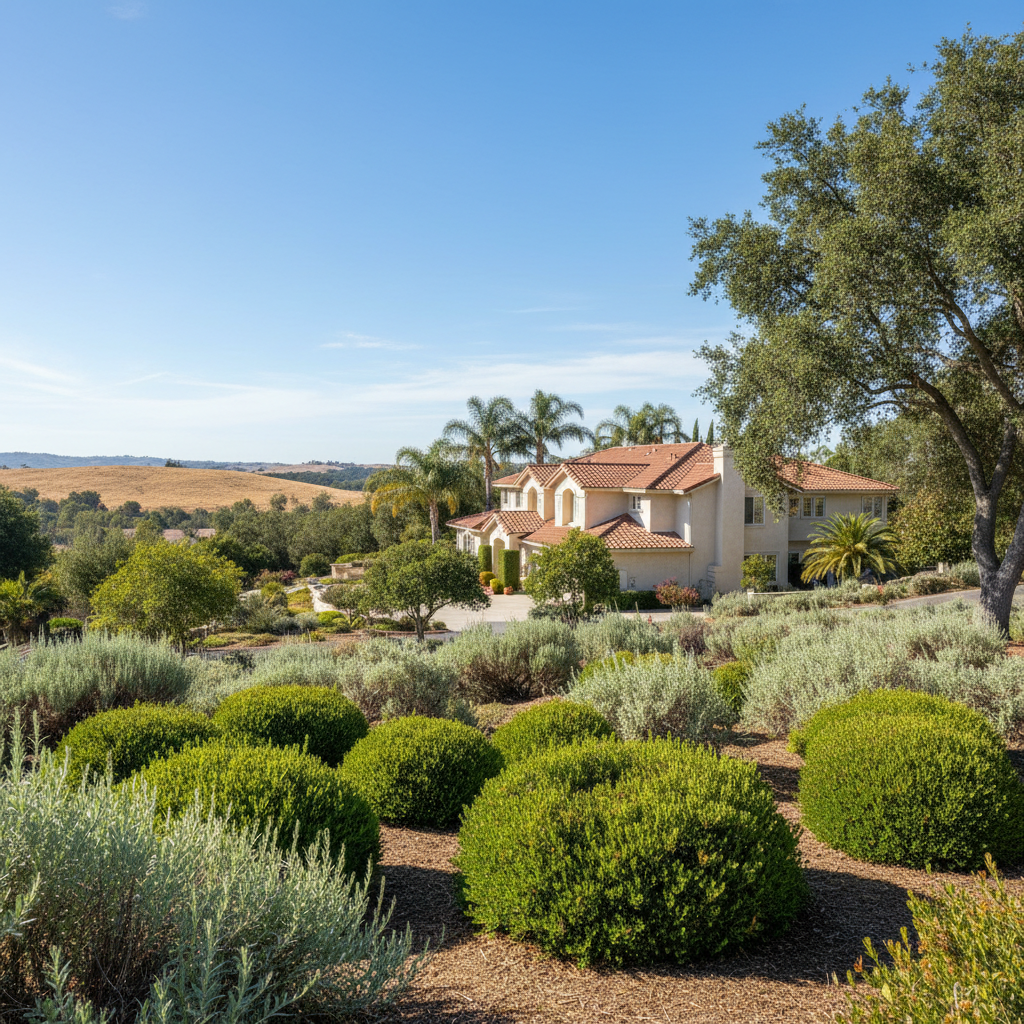
You've invested in your landscape, maybe had Oasis Tree come out and get your shrubs and bushes looking just right. But that's not the end of the story. Keeping those plants healthy and looking good takes a bit of ongoing attention, especially with our unique climate here in Camarillo.
Extending the Life of Your Trim
When we trim your shrubs, we're not just shaping them; we're also setting them up for healthy growth. To make that work last, you've got to think about what happens next. The biggest thing is water. Even though we get those dry, hot Santa Ana winds, you can't just blast your plants with water every day. Overwatering is a huge problem, especially for plants that aren't native. It can lead to root rot, which undoes all the good work of a proper trim.
Instead, focus on deep, infrequent watering. You want the water to get down to the roots, not just sit on the surface. Check the soil moisture a few inches down before you water again. A good layer of mulch around the base of your shrubs also helps a ton. It keeps the soil cooler, holds moisture in, and suppresses weeds. That means less competition for nutrients and water, which translates to healthier, longer-lasting growth from your trim.
Another key is avoiding stress. Don't prune too heavily right before a heatwave, for example. That exposes tender inner growth to harsh sun, and it's just asking for trouble. A good trim anticipates the season, so you're not leaving your plants vulnerable.
What Regular Maintenance Looks Like
Regular maintenance for shrubs and bushes isn't usually a daily chore, but it's not a once-a-year thing either. Here's what you should be doing between professional trims:
- Light Pruning: Keep an eye out for small, errant branches that are growing out of shape or crossing over others. Snip these off with hand pruners. You're not reshaping the whole plant, just maintaining the form. This is especially important for hedges that you want to keep looking crisp.
- Deadheading: If you have flowering shrubs, deadheading spent blooms encourages more flowers and keeps the plant looking tidy. It also stops the plant from putting energy into seed production when you want it to focus on new growth.
- Weed Control: Weeds steal nutrients and water. Pull them by hand or use a hoe around your shrubs regularly. That mulch layer I mentioned earlier helps a lot here too.
- Pest & Disease Checks: Just a quick look when you're out in the yard. Are leaves discolored? Are there any strange spots or bugs? Catching these early makes a huge difference.
- Fertilization (if needed): Most established shrubs in good soil don't need a lot of fertilizer. If your plants look a bit pale or aren't growing well, a slow-release granular fertilizer might help, but don't overdo it. Too much can burn the roots.
For many of the older homes in the Las Posas Estates area, with their mature landscapes, this kind of consistent, light touch is what keeps everything looking manicured without going overboard.
Warning Signs of Trouble
Your shrubs will tell you when something's wrong, if you know what to look for. Don't ignore these signals:
- Yellowing Leaves: This can mean a few things. Too much water, not enough water, or a nutrient deficiency. Check the soil moisture first.
- Brown or Crispy Edges: Usually a sign of underwatering or too much sun exposure, especially after a trim.
- Wilting: Leaves drooping, looking limp. Again, check water. It can also be a sign of root issues.
- Unusual Spots or Growths: Fungal diseases often show up as spots, powdery mildew, or strange growths.
- Insect Damage: Holes in leaves, sticky residue (honeydew), or visible pests like aphids or scale are clear indicators.
- Lack of New Growth: If a shrub that should be growing isn't putting out new shoots, something's off.
- Branches Dying Back: Sections of the plant turning brown and brittle. This could be disease or severe stress.
Catching these early gives you a much better chance of fixing the problem before it gets out of hand.
When to Call a Professional
Look, I'm a big believer in homeowners doing what they can. But there are times when you really need to call in the pros. Here's when Oasis Tree can step in:
- Major Reshaping or Reduction: If your shrubs have gotten completely out of control, or you want to significantly change their size or shape, that's a job for us. We know how to prune without shocking the plant.
- Dealing with Disease or Pests: If you've got a serious infestation or a disease you can't identify or treat, we can often diagnose the issue and recommend a course of action, or even apply treatments if necessary.
- Large or Difficult-to-Reach Shrubs: Some shrubs are just too big or in awkward spots to trim safely yourself. Don't risk a fall or damaging the plant.
- When You're Not Sure: If you see warning signs and you're not confident in diagnosing or treating the problem, give us a call. It's better to get expert advice early than to let a problem fester.
- Regular Structural Pruning: For certain types of shrubs, a professional structural prune every few years can ensure long-term health and a strong framework, preventing issues down the line.
- You Just Don't Have the Time: Let's be honest, life gets busy. If you want your landscape to look its best but don't have the hours to dedicate to it, that's what we're here for.
Keeping your Camarillo landscape looking great is an ongoing process. A little bit of consistent attention goes a long way in keeping your shrubs healthy and vibrant for years to come.